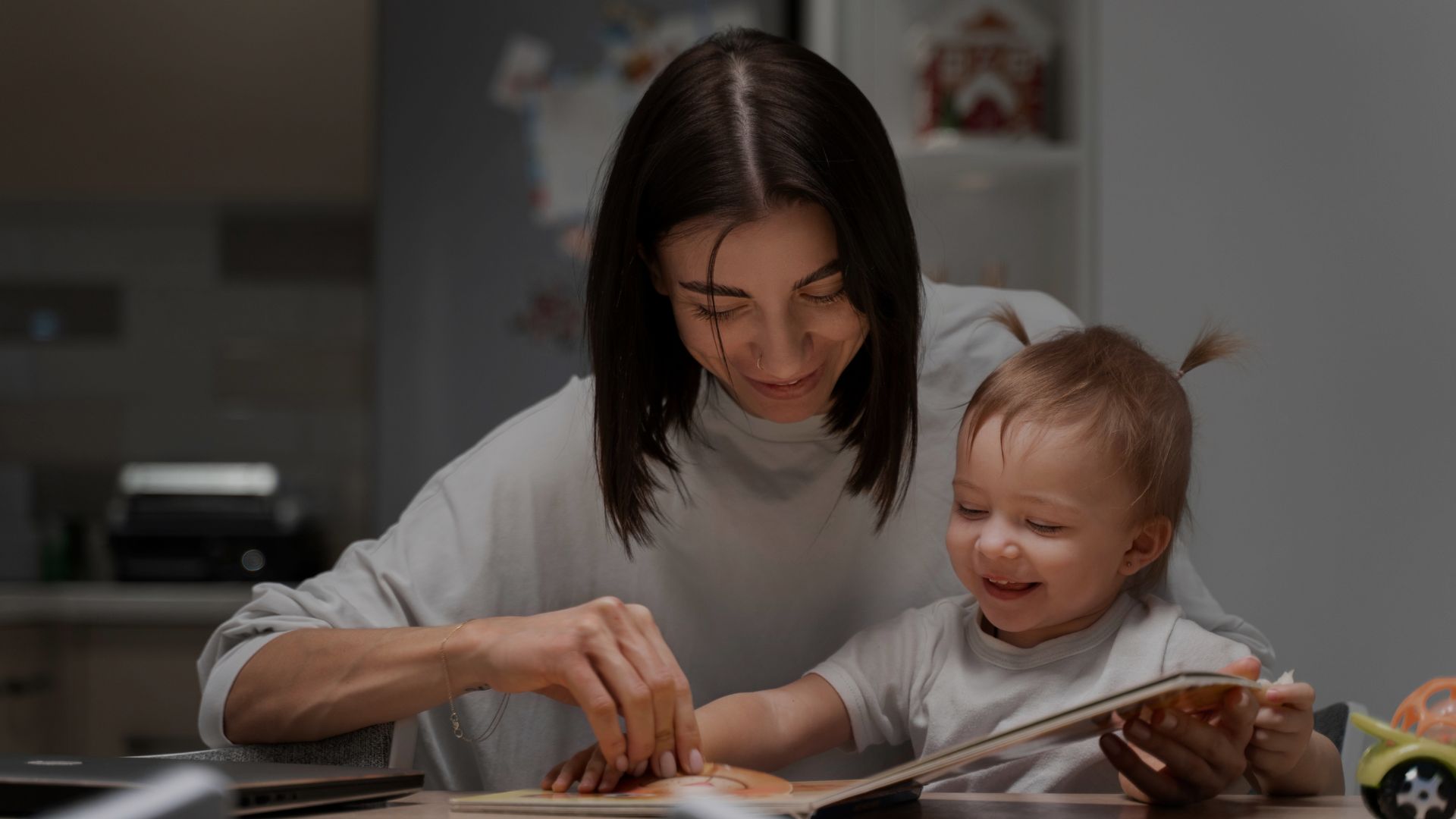
If you’re reading this with one hand on your phone and the other trying to calm your baby, I want you to know something first. You’re not broken. And you’re not a bad mum.
No one really prepares us for how heavy the days can feel after giving birth. Everyone talks about the joy, the love, the glow.
But hardly anyone talks about the tears that come for no clear reason. The constant worry, or that strange emptiness you can’t quite explain.
I remember during my postpartum period, I kept thinking, “Why am I feeling like this when I’m supposed to be happy?”
It’s postpartum depression (PPD), and around 19-23% women in India face this issue. If you are wondering, “What is Postpartum Depression?” this blog is for you.
This blog isn’t here to scare you or label you. It’s here to help you understand what postpartum depression really is, how it shows up, and most importantly, to remind you that you’re not alone in this.
If any part of this feels familiar, take a breath. You’ll get through this!
What Is Postpartum Depression or Postnatal Depression?
What is Postpartum depression? A term every women come across after childbirth. It is more than just having a bad day or feeling emotional after giving birth.
It is also called Postnatal Depression.
When the sadness, heaviness, or anxiety doesn’t pass, even after the first few weeks. You might still be caring for your baby, smiling when needed, doing all the “right” things, yet inside you feel drained, lost, or not quite like yourself.
For many mums, it can show up weeks later, sometimes even months after the baby arrives (the time is unexpected).
Postpartum depression doesn’t run on a timeline, and it doesn’t mean you’re failing at motherhood.
It can affect how you feel emotionally, how your thoughts loop through worry or guilt, and how you get through everyday life.
And you started feeling exhausted while doing simple tasks like baby’s diaper or while feeding. Which results in feeling anger instead of joy.
And bonding with your baby might not come as easily as everyone said it would. None of this means you don’t love your child.
It just means you’re going through something real, and it deserves care and support.

How Do You Know That You’re On Postpartum Depression?
Sometimes it just feels like something is off, I also felt that way. These signs may help you recognise it:
Emotional signs
- Feeling sad, tearful, or empty most days
- Constant guilt or feeling like you’re not good enough
- Feeling numb, even during moments that should feel happy
Mental signs
- Overthinking everything you do
- Constant worry or fear that something will go wrong
- Unwanted or intrusive thoughts that won’t leave your mind
Physical signs
- Extreme tiredness that rest doesn’t fix
- Trouble sleeping, even when the baby sleeps
- Changes in appetite or energy levels
Behavioural signs
- Pulling away from family or friends
- Finding it hard to bond with your baby
- Losing interest in things you once enjoyed
If several of these feel familiar and don’t ease with time, it’s a sign to reach out for help. You don’t have to handle this alone.
It’s Not Your Fault: Understand Why It Happens
It happened to me too, and it happens because your body and mind have been through a lot. The female body goes through a lot of changes after giving birth. Some moms feel less challenged to overcome these changes, while some take time.
Understand why it happens:
- After birth, hormone levels drop suddenly, and that emotional shift can feel overwhelming
- Lack of sleep and constant exhaustion slowly wear you down
- The pressure to be a “perfect mother” can create guilt and self-doubt
- Limited support or a past history of anxiety or depression can make things heavier
None of this is a personal failure. It’s a human response to a huge life change, and you deserve understanding and care.
So far, do you know what postpartum depression is? And why does it happen? Now, let’s find out how it affects the mother and baby.
How Postnatal Depression Affects Mother and Baby
Postnatal depression can quietly affect how you move through each day. Simple tasks may feel exhausting, and bonding with your baby might feel slower or harder than you expected.
This doesn’t mean the love isn’t there. It just means the connection may need time and support.
Over time, these feelings can affect your confidence and make you doubt yourself as a mother. Getting help early can make a real difference.
When a mum feels supported and understood, it helps her heal, and that care naturally flows to her baby too.
You can love your baby deeply and still struggle. Both can be true at the same time.
When It’s Time to Reach Out for Help
“I tell parents, as soon as you think, ‘this doesn’t seem right to me,’ then reaching out to a trusted healthcare provider is really helpful,” recommends Dr. Stuebe.
If what you’re feeling lasts longer than two weeks and doesn’t seem to ease, it’s okay to pause and take it seriously.
When emotions feel heavier instead of lighter, or each day feels harder than the last, that’s your sign to reach out.
If you’re having thoughts about hurting yourself or your baby, please know this is not a reflection of who you are as a mother.
It’s a signal that you need immediate support. Struggling to manage daily tasks, even basic ones, is another gentle reminder that you don’t have to carry this alone.
Asking for help is a brave and important step.
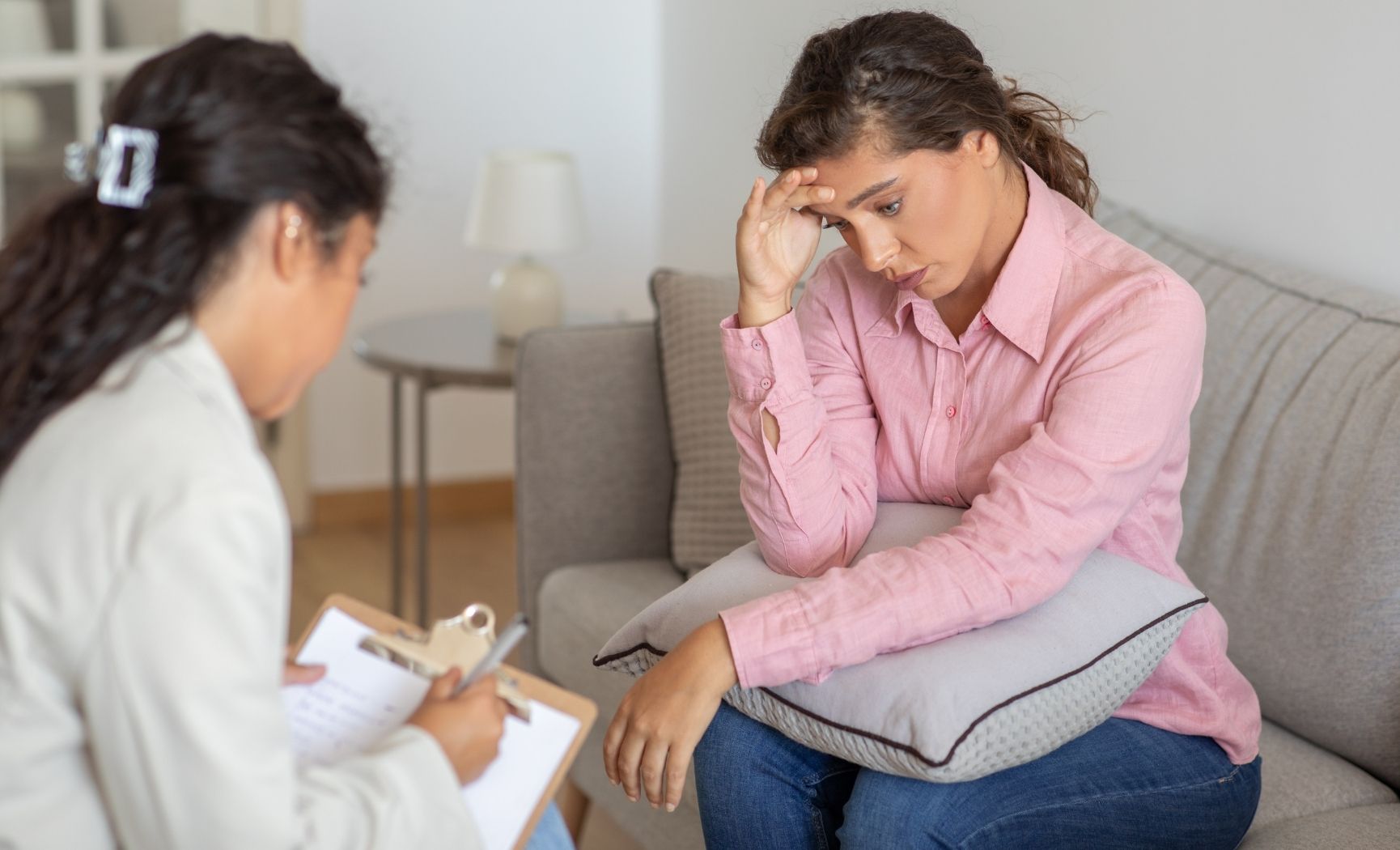
What Actually Helps: Treatment and Support Options
After questioning about “what is postpartum depression?” the most important thing to know is solution. It is treatable, and you can feel like yourself again.
Talking to a doctor or a mental health professional is often the first step, and it can feel like a relief to finally be heard (I personally did this).
Counselling or therapy gives you a safe space to talk things through without judgment. Support groups, whether in person or online, remind you that you’re not alone.
Please remember that with understanding, support, and the right help, this chapter can close, and you can move forward feeling stronger, lighter, and more like yourself again.