In those early months, when your baby is still discovering the world with every blink, their immune system is not ready enough to protect them.
To shield your little one, following the Baby vaccination schedule is essential.
Timely dosages protect your little one from heavy hitters like TB, measles, pneumonia and polio, long before these illnesses ever get the chance to knock on the door.
And as a mum, there’s something deeply reassuring about that, knowing you’re giving your baby protection. They can’t yet build themselves, shaping a safer start to their story.
In today’s Mommies.in blog post, we’ll be sharing everything you need to know about the baby vaccination schedule and busting common myths about immunization.
Baby Vaccination Schedule in India In Simple Words
A baby’s vaccination schedule is simply a timeline that tells you which vaccines your child needs and when they should receive them.
It is a structured roadmap designed to protect your little one during the months when their immune system is still learning how to stand on its own.
In India, this schedule is prepared by health committees, reviewed by paediatricians, and approved by the government under the Universal Immunisation Programme (UIP).
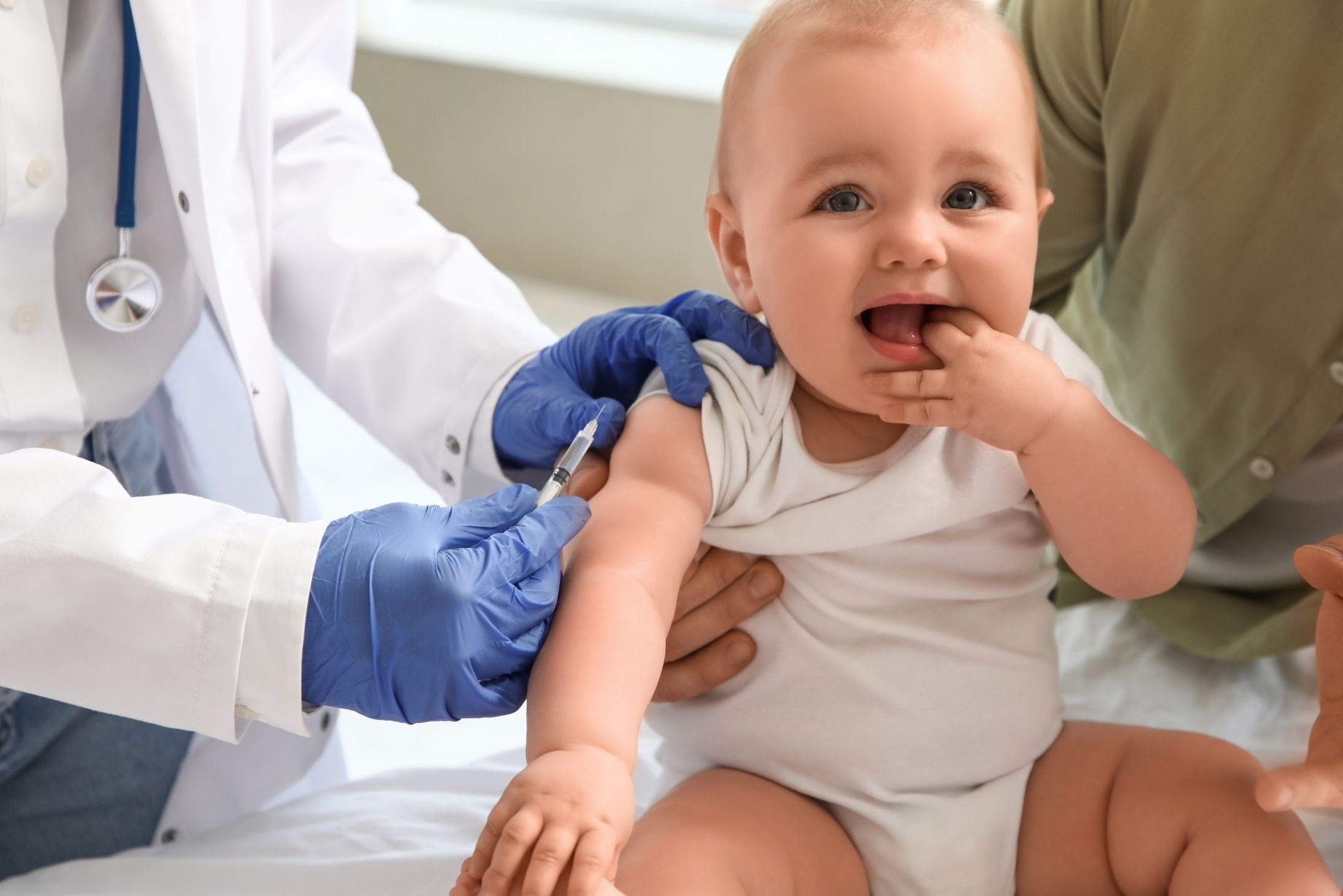
Every vaccine is placed at a specific age for a reason: that’s the moment when your baby’s body can respond best, build stronger immunity and stay protected against infections that are still common around us.
The timing matters more than we realise. Each dose adds a layer of defence just when your baby is most vulnerable, making the schedule a safety net. Download the U-WIN Citizen app to track the vaccine schedule of your child.
Indian Government’s Recommended Vaccines (UIP Schedule)
Vaccines protect children from more than 14 diseases with dosages given at specific ages. Following the newborn baby vaccine schedule is recommended by UIP:
|
Age
|
Vaccines Given
|
Protects Against
|
|---|---|---|
|
At Birth
|
BCG, OPV-0, Hepatitis B (Birth dose)
|
TB, Polio, Liver infection (Hep B)
|
|
6 Weeks
|
OPV-1, Pentavalent-1, Rotavirus-1, fIPV-1, PCV-1*
|
Polio, Diphtheria, Tetanus, Whooping cough, Hep B, Hib, Diarrhoea, Pneumonia/Meningitis
|
|
10 Weeks
|
OPV-2, Pentavalent-2, Rotavirus-2
|
Same as above (2nd round of protection)
|
|
14 Weeks
|
OPV-3, Pentavalent-3, Rotavirus-3, fIPV-2, PCV-2*
|
Strengthens immunity against major infections
|
|
9–12 Months
|
Measles & Rubella (MR-1), JE-1**, PCV-Booster*
|
Measles, Rubella, Brain fever (JE), Pneumococcal diseases
|
|
16–24 Months
|
MR-2, JE-2**, DPT-Booster-1, OPV Booster
|
Measles, Rubella, JE, Diphtheria, Tetanus, Whooping cough, Polio
|
|
5–6 Years
|
DPT-Booster-2
|
Diphtheria, Tetanus, Whooping Cough
|
|
10 Years
|
Td
|
Tetanus & Diphtheria
|
|
16 Years
|
Td
|
Tetanus & Diphtheria
|
|
Pregnant Mother
|
Td-1, Td-2 or Td-Booster***
|
Protects mother and baby from tetanus
|
Note: * PCV (Pneumococcal Conjugate Vaccine) in selected states/districts: Bihar, Himachal Pradesh, Madhya Pradesh, Uttar Pradesh (selected districts) and Rajasthan; in Haryana as a state initiative
** JE (Japanese Encephalitis) in endemic districts only
*** One dose if previously vaccinated within 3 years
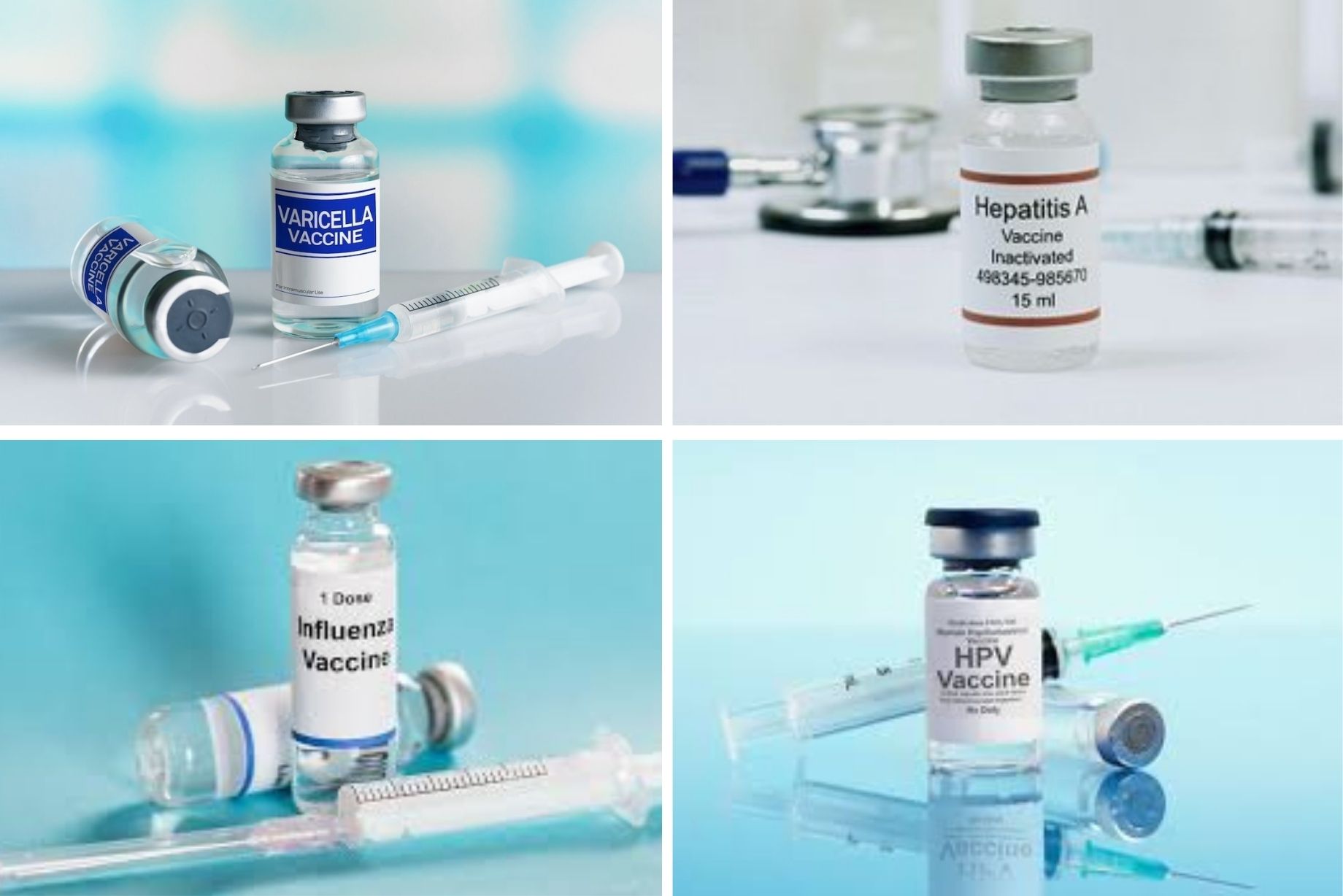
Optional/Additional Vaccines Recommended by Pediatricians
Like every mum, I also choose to go beyond the government schedule, simply because I want that extra shield around my little one. These vaccines are not compulsory, but paediatricians recommend them for extra protection.
Chickenpox (Varicella Vaccine)
Keeps your child safe from chickenpox, which can cause fever, rashes and long recovery days.
Many parents prefer this vaccine to avoid school absences and any complications.
Hepatitis A
Protects against liver infection caused by contaminated food or water. Paediatricians often suggest it because kids can easily pick up stomach infections while playing, travelling or eating outside.
Influenza (Flu Shot)
A yearly vaccine that safeguards babies from seasonal flu. It reduces hospital visits, high fever days and the domino effect of flu spreading to the whole family.
HPV (Human Papillomavirus)
Given later, usually for pre-teens and teens. It protects against infections that can lead to cervical cancer in the future. Many parents choose it for long-term protection for their daughters.
These are additional vaccines, not compulsory. But they give an extra shield to your child against diseases.
Common Myths and Fears About Baby Vaccines
Every parent wants to do the right thing. And when it comes to vaccines, it’s normal to feel a little unsure. Let’s clear up the most common doubts about vaccination:
“Fever means something went wrong.”
A mild fever after vaccination is actually a good sign. It shows your baby’s immune system is learning to fight the germs safely. The fever usually settles on its own and isn’t harmful.
“Too many vaccines overwhelm the baby.”
Babies are born with a powerful immune system. They handle hundreds of new germs every single day. Vaccines use only a tiny fraction of that immunity. So no, vaccines don’t overload their little bodies; in fact, they prepare them.
“Natural immunity is better.”
Natural immunity means your baby has to actually catch the disease first. That could mean hospital stays, high fever, long recovery… or dangerous complications. Vaccines offer the same protection without exposing your baby to the real threat.
Side Effects: What’s Normal and When to Worry
Here’s a gentle breakdown of what’s normal and when you should check in with your doctor.
Normal, Common Side Effects
These are signs that your baby’s immune system is learning and responding. They usually settle within 24–48 hours.
- Mild fever
- Slight swelling or redness at the injection spot
- Fussiness or clinginess
- A bit of sleepiness
- Reduced appetite for a short time
A warm compress on the injection area, light feeding, and extra cuddles usually help your baby feel better.
When to Call the Doctor
Reach out to your paediatrician if you notice:
- High fever that doesn’t reduce with basic care
- Persistent crying for more than 3 hours
- Severe swelling or redness that spreads
- Rashes, vomiting or unusual behaviour
- Trouble breathing
- Your gut feeling says something is not right
Doctors always prefer parents to call early rather than late, so never hesitate.
Government vs Private Vaccination: What Moms Should Know
Both government and private vaccination centres provide the same safe and effective vaccines for your baby. The differences come down to cost, convenience, and the availability of optional vaccines at private clinics.
As a mom, you can choose the option that best fits your family’s needs and schedule. In the end, keeping your little loved one healthy and happy is what matters most.