Children experience many emotions as they grow. They can feel nervous before starting school, worried about making friends, upset when separated from their parents, or frightened by unfamiliar situations. These feelings are often a normal part of childhood.
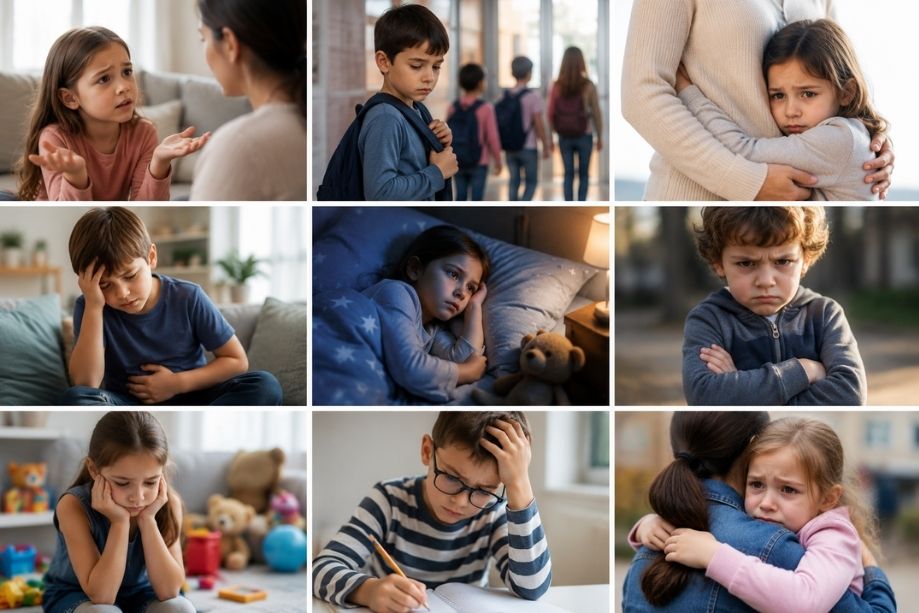
However, when worry becomes frequent, intense, or starts affecting a child’s everyday life, it may be a sign that they need additional support. Child anxiety can sometimes be difficult for parents to recognise because children don’t always have the words to explain what they are feeling. Instead, anxiety may appear through changes in behaviour, sleep, appetite, school attendance, or even physical complaints.
Recognising the early signs can help parents respond with patience and seek professional support when needed.
What Is Child Anxiety?
Anxiety is a natural emotional response to situations that feel uncertain, threatening, or overwhelming. Everyone experiences anxiety, including children. A certain amount of worry can even help children prepare for challenges.
For example, it is normal for a child to feel nervous before an exam, a performance, or their first day at a new school.
The concern arises when anxiety becomes persistent or disproportionate to the situation. A child may begin avoiding activities, constantly seeking reassurance, or struggling to participate in school, friendships, play or family life.
Child anxiety can take different forms, including separation anxiety, social anxiety, specific fears, and generalised anxiety.
Early Signs of Child Anxiety Parents Should Watch For
Every child is different, and one occasional symptom does not necessarily mean your child has an anxiety disorder. What matters is noticing patterns, changes, and the impact on everyday life.
1. Constant Worrying or Asking "What If?"
One of the most noticeable signs can be excessive worrying.
Your child may repeatedly ask questions such as:
- “What if something goes wrong?”
- “Are you sure you’ll come back?”
- “What if everyone laughs at me?”
- “What happens if I get it wrong?”
- “Are you sure I’m going to be okay?”
Children with ongoing anxiety may need frequent reassurance but still struggle to feel reassured. School-age children can worry about schoolwork, friendships, performance, safety, health or family matters.
If your child’s questions seem constant or their worries are stopping them from enjoying normal activities, it is worth paying attention.
2. Avoiding Everyday Activities
Avoidance is another important sign of child anxiety.
A child might suddenly refuse to:
- Go to school
- Attend birthday parties
- Sleep alone
- Stay with relatives
- Speak in front of others
- Try a new activity
- Play with other children
- Visit unfamiliar places
At first, avoiding something may seem like stubbornness or simply being shy. But anxiety can cause children to avoid situations because they believe something bad, embarrassing or frightening might happen.
Over time, avoidance can make anxiety stronger because the child never gets the opportunity to discover that they can cope with the situation.
3. Becoming More Clingy
A child who previously enjoyed spending time with grandparents, attending childcare or going to school may suddenly want to stay close to a parent.
They may follow you around the house, become distressed when you leave the room or repeatedly ask when you will return.
Some separation anxiety is completely normal, particularly in younger children. However, intense or ongoing distress that interferes with school, sleep or family activities may need further attention.
4. Physical Complaints Without an Obvious Cause
Children don’t always say, “I’m anxious.”
Instead, their body may communicate it for them.
Common physical symptoms associated with anxiety can include:
- Tummy aches
- Headaches
- Feeling shaky or jittery
- Difficulty sleeping
- Tiredness
- Changes in appetite
- Nausea
For some children, these symptoms may appear particularly before school, social events or situations they find stressful.
It is important not to assume that physical symptoms are caused by anxiety. If your child regularly complains of pain or feels unwell, speak with your GP so potential physical causes can be considered.
5. Changes in Sleep
Anxiety can make it difficult for children to switch off their thoughts at bedtime.
You may notice that your child:
- Takes a long time to fall asleep
- Frequently comes into your room
- Wakes during the night
- Experiences nightmares
- Worries about the next day
- Doesn’t want to sleep away from home
A child who is normally comfortable sleeping independently but suddenly becomes frightened at bedtime may be experiencing a worry that they haven’t yet been able to express.
6. Irritability, Tantrums or Big Emotional Reactions
Anxiety doesn’t always look like fear.
For some children, it can appear as irritability, frustration, crying or angry outbursts. A child may become overwhelmed by a situation and respond with a tantrum because they don’t yet have the emotional skills or vocabulary to explain what’s happening internally.
Healthdirect notes that children experiencing anxiety may show big emotions, have tantrums, or have a need for significant reassurance.
Instead of immediately asking, “Why are you behaving like this?” try considering whether something about the situation feels overwhelming for your child.
7. Losing Interest in Things They Usually Enjoy
Changes in your child’s interests can also be worth noticing.
Perhaps they once loved football but now refuse to attend training. Maybe they enjoyed visiting friends but increasingly want to stay home. They might stop participating in hobbies, games, or family activities.
Anxiety can cause children to withdraw from situations they previously enjoyed, particularly when they associate those activities with worry or fear.
8. Perfectionism and Fear of Making Mistakes
Some anxious children put enormous pressure on themselves to get everything right.
They may become extremely upset about:
- Getting an answer wrong
- Receiving a lower mark
- Losing a game
- Making a mistake in front of classmates
- Disappointing their parents
- Not performing perfectly
They may repeatedly check their work or avoid trying something because they are afraid of failing.
A strong desire to do well isn’t necessarily a problem. The concern is when fear of mistakes prevents a child from participating or enjoying learning and everyday activities.
9. Difficulty Separating From Parents
Starting school or childcare can naturally bring tears and uncertainty. But ongoing, intense distress around separation may be a sign of anxiety.
A child might worry that something terrible will happen to their parent while they’re away, refuse sleepovers or become extremely distressed when a parent leaves.
Separation anxiety becomes more concerning when it is persistent and interferes with normal activities such as school, friendships, or family life.
Why Can Children Develop Anxiety?
There isn’t always one clear reason.
A child’s anxiety can be influenced by several factors, including family history, stressful life experiences, problems at school, bullying, relationship difficulties, and significant changes within the family.
Moving house, changing schools, family separation, bereavement, or other major changes can also create uncertainty for children.
It’s important for parents to remember that experiencing anxiety doesn’t mean they have done something wrong. Children respond differently to situations, and some are naturally more sensitive or cautious than others.
How Parents Can Support an Anxious Child
If you notice signs of child anxiety, your response can make a meaningful difference.
Listen Without Dismissing Their Feelings
Avoid saying things like:
“There’s nothing to worry about.”
Although you may be trying to reassure your child, they may feel that their emotions aren’t being understood.
Instead, try:
“I can see that you’re worried. Would you like to tell me what’s making you feel this way?”
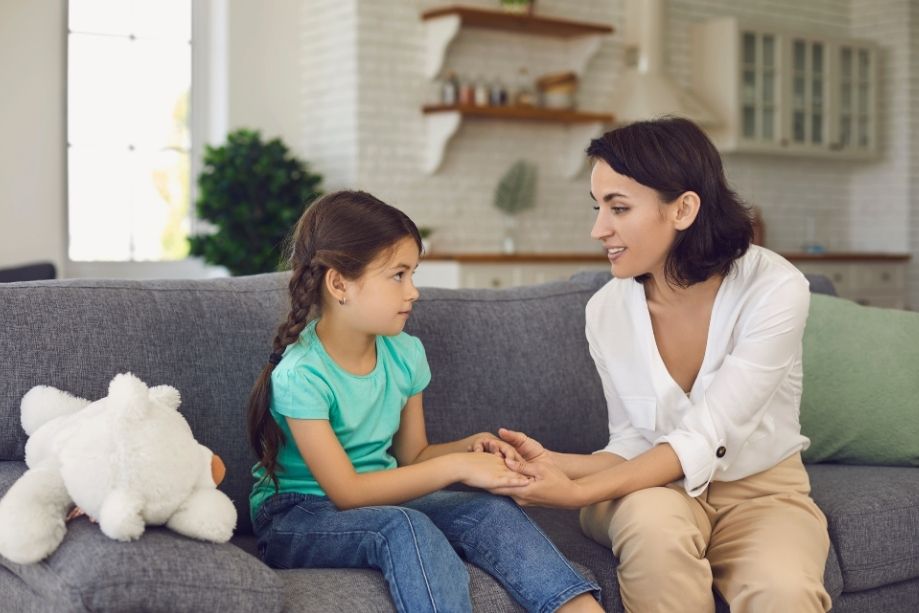
Acknowledging their feelings helps children feel heard and supported.
Encourage Rather Than Force
Avoiding every situation that causes anxiety can unintentionally reinforce the fear. Instead, support your child to approach manageable situations gradually and praise their effort.
For example, if your child is nervous about joining a new activity, you might start by visiting the location together before asking them to participate.
Small steps can feel much more manageable than expecting your child to overcome a fear immediately.
Encourage Rather Than Force
Avoiding every situation that causes anxiety can unintentionally reinforce the fear. Instead, support your child to approach manageable situations gradually and praise their effort.
For example, if your child is nervous about joining a new activity, you might start by visiting the location together before asking them to participate.
Small steps can feel much more manageable than expecting your child to overcome a fear immediately.
Maintain Healthy Routines
Regular sleep, physical activity, healthy food, play, and positive family interactions can support children’s overall well-being.
A predictable routine can also help children know what to expect, particularly when they are already feeling uncertain.
Talk With Their School
If anxiety is affecting your child’s school experience, consider speaking with their teacher or school counsellor.
Teachers may notice changes in classroom participation, friendships, or behaviour that aren’t obvious at home.
Working together can help parents and educators understand what situations are triggering the child’s anxiety.
When Should Parents Seek Professional Help?
You don’t need to wait until anxiety becomes severe before asking for help.
Consider speaking with your GP, pediatrician, psychologist, or another qualified health professional if your child’s anxiety:
- Is persistent or becoming worse
- Interferes with school
- Affects friendships or family life
- Prevents them from participating in activities
- Causes significant sleep problems
- Leads to frequent physical complaints
- Causes severe distress
- Is noticeably different from their usual behaviour
Professionals can assess your child’s symptoms and help determine what support may be appropriate. Psychological therapies such as cognitive behavioural therapy (CBT) are commonly used to help children manage anxiety.
Final Thoughts
Recognising child anxiety isn’t about labelling your child. It’s about understanding what they may be experiencing beneath the behaviour.
A clingy child may be feeling frightened. A child refusing school may be overwhelmed. Frequent tummy aches may be connected to worries they don’t know how to explain.
The most important thing parents can offer is a safe space where children feel heard rather than judged. Pay attention to changes, listen to their concerns, and don’t hesitate to seek professional support when anxiety begins interfering with everyday life.
At Mommies.in, we believe that supporting children starts with understanding their emotional needs. With patience, open communication, and the right support, children can develop healthy ways to cope with worries and build confidence as they grow.